Pure Air in the Poconos
Let’s do science together.
The Center for Collaborative Heat Monitoring is proud to partner with Sanofi and Pocono Mountains United Way on a participatory community science campaign to learn more about air quality and health in eastern Pennsylvania.
Sign up to be the first to know about upcoming events or workshops and stay updated on the latest in air quality science.
Upcoming Events
-
Community Workshop
May 14, 2:00-4:00 PM
Eastern Monroe Public Library
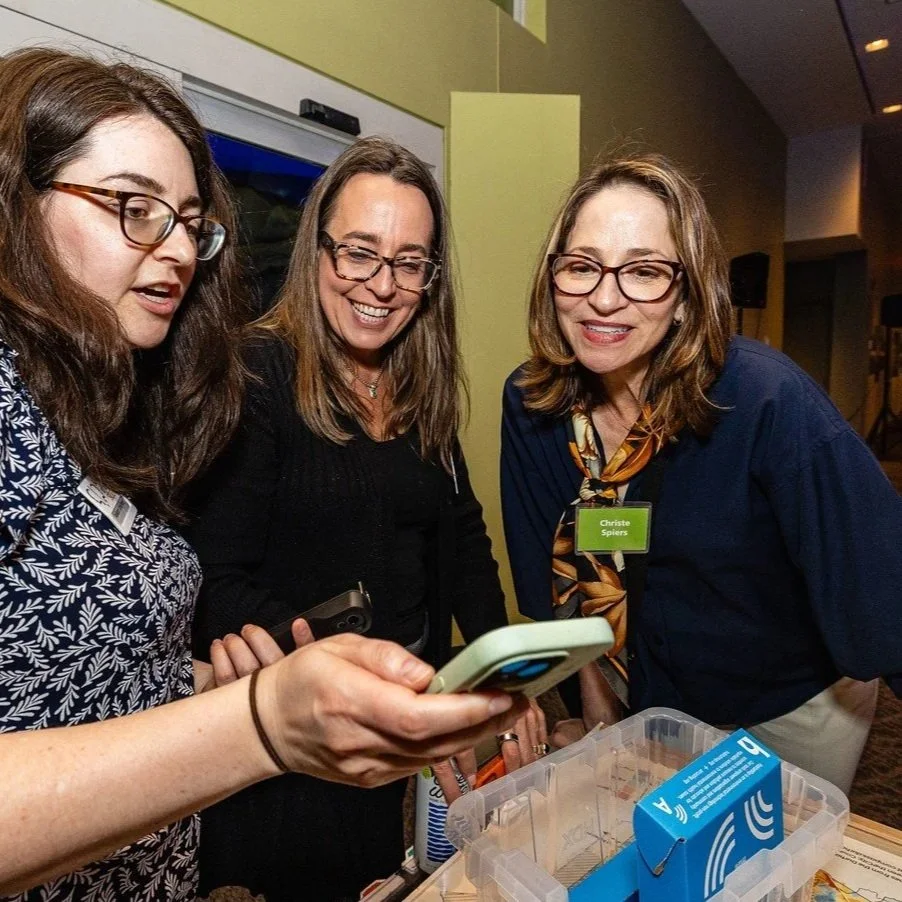
A hands-on, interactive workshop to introduce participants to air quality science and provide training on how to use low-cost sensors to monitor air quality.
-
Community Workshop
May 14, 5:30-7:30 PM
Eastern Monroe Public Library
A hands-on, interactive workshop to introduce participants to air quality science and provide training on how to use low-cost sensors to monitor air quality.
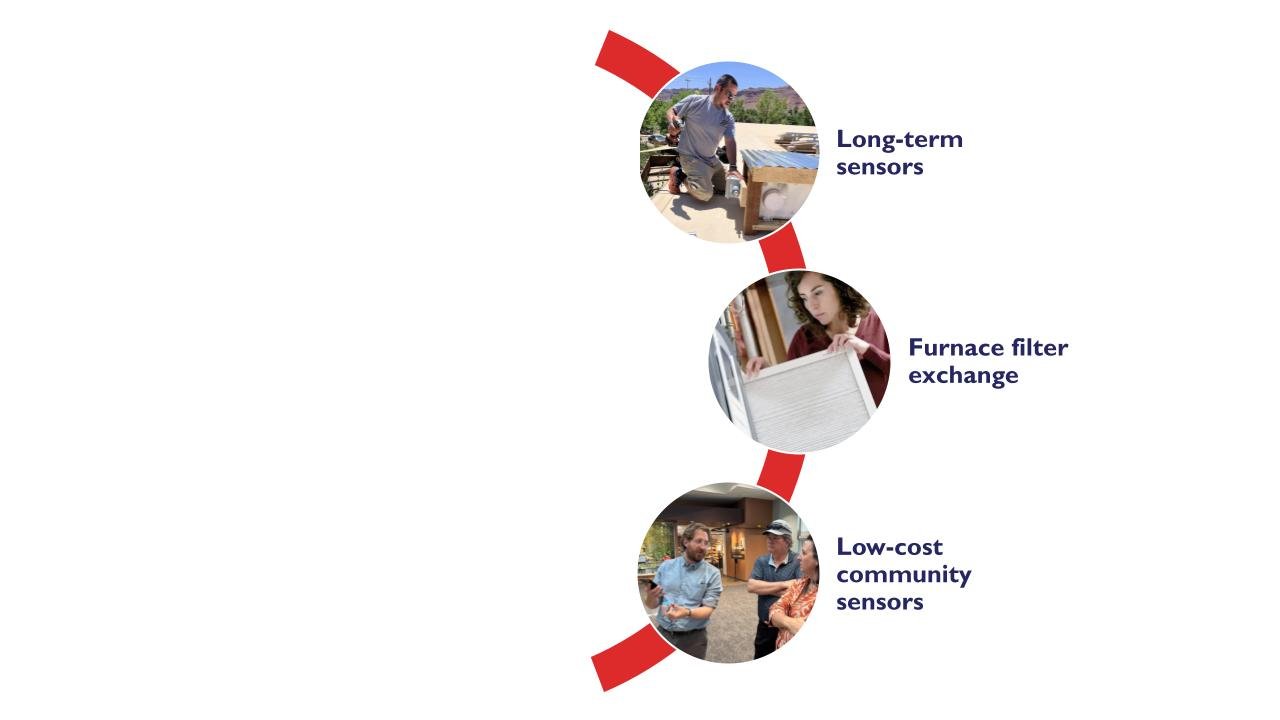
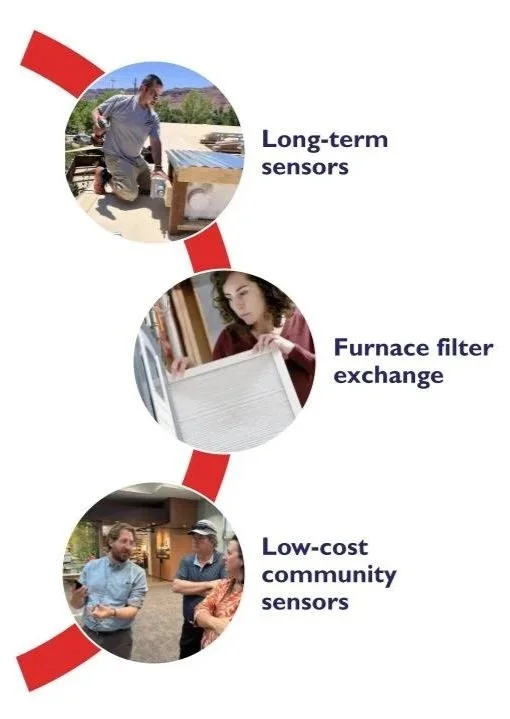
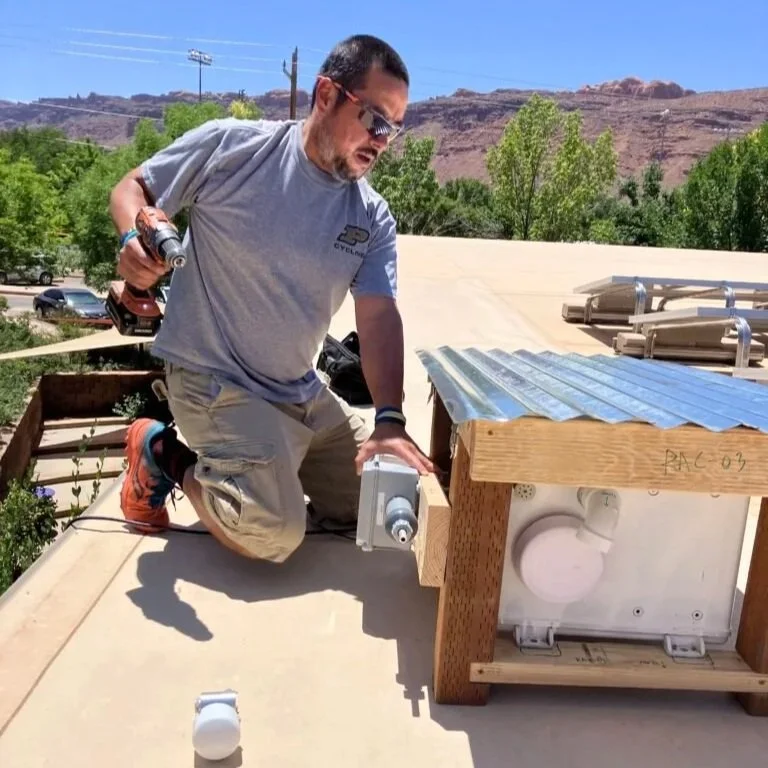
Long-term study of air quality in the Poconos
We use research-grade sensors to track patterns in air quality over months or even years
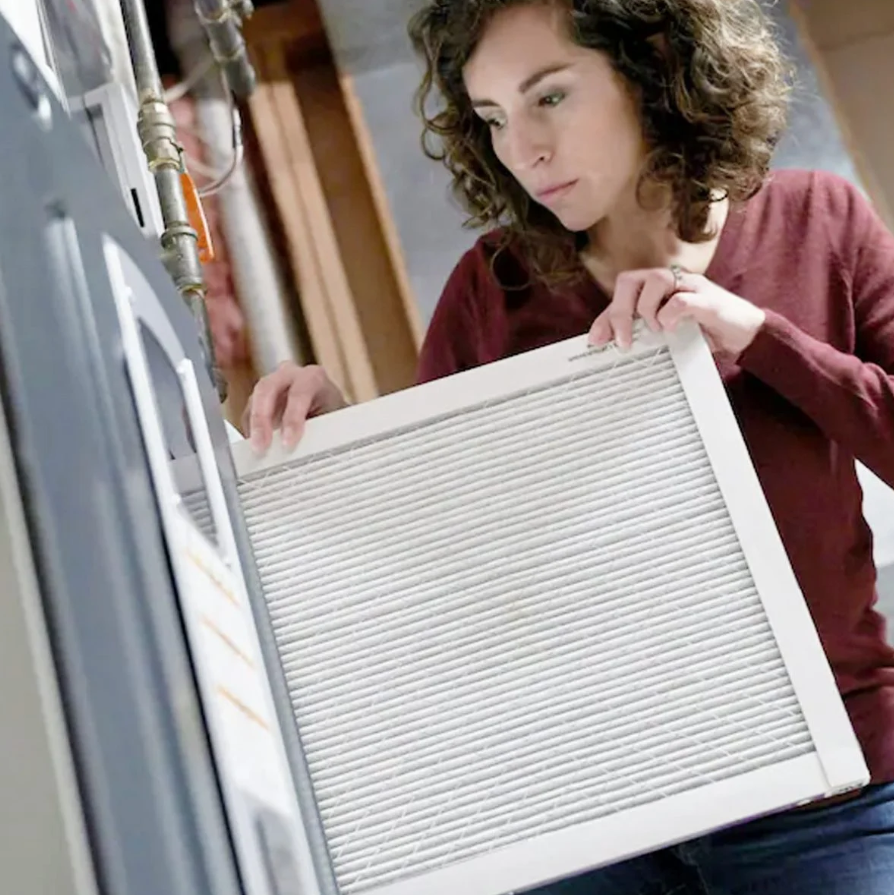
Furnace filter exchange
We collect furnace filters from homes to learn about indoor air in residences
Community-led air quality monitoring
We provide low-cost tools and training for community members to explore their own questions about the air we share
Frequently Asked Questions
-
This project combines several types of data collection to learn as much as we can about air quality in the Poconos.
First, we will collect furnace filters from 5-6 homes in the area and install a set of research-grade sensors at 1 of those homes. This will give us long-term, detailed data that reflects the everyday experience of air quality in the Poconos.
We will also provide a set of portable, low-cost sensors that can be used by interested community members to answer their own questions and collect data.
-
No prior knowledge of air quality science is needed to participate! All that is needed is an interest and willingness to learn new things.
We will host a workshop where we will provide all the training that is needed and distribute the low-cost sensors for you to use.
The research-grade sensors will be installed by experts and require little to no maintenance from the homeowner.
-
We are using two kinds of sensors. The research-grade sensors collect air temperature, humidity, and air quality data, and are about the size of a small carry-on suitcase. The low-cost sensors collect air quality data and can be held in your hand. Our sensors use Wi-Fi and/or an app to log and transmit data.
-
We will install the research-grade sensors and distribute community sensors in spring 2026. We will return to Swiftwater in spring 2027 to uninstall research-grade sensors and collect loaned community sensors. At that time we will also share a draft report for community feedback.
-
We understand the concern — the last thing we want is to give people information and then suggest costly fixes or upgrades. However, there are many low-cost solutions to poor air quality, and the only way to identify which solution is right for you is to collect data.
An important thing to know for participants is that our tools are not “regulatory,” which is to say that they are not of a high enough fidelity to be used in lawsuits or to make legal claims.
We are hoping that the information we get from our community data collection is a starting point for much longer conversations about how air quality affects community-wide health in your area.
Why study air quality in the Poconos?
Gather Baseline Data to Learn Where to Take Action
At this stage, we’re not looking for any particular results — we are just interested in understanding what makes up the air we share in the Poconos. This is an exploratory study that we can use to understand a community-level baseline and find patterns in seasonality and exposure that can help us determine different types of interventions to improve individual and community health.
Developing Evidence-Based Solutions Driven by Local Data
Exposure to poor air quality is linked to negative health outcomes and presents an inequitable public health challenge to American communities. But there are so many factors that can affect air quality that it’s hard to determine what factors matter the most in your community unless we collect data and do study.
There are many ways to reduce your exposure to poor air quality – some on huge, societal scales, and some on individual and home-level scales. But without data, we can’t know which solutions will have the greatest impact.
Community Science for Community Solutions
We believe that we get better data when the community is involved throughout the process. Our hybrid approach using multiple methods and tools can allow for community members to be involved in multiple ways. It’s important to us that this study be conducted for and by people in the Pocono Mountains.

Press Room